The Toolbox · Free Tool
Backyard Ultra Race Planner
Build every yard before the bell rings: pace with an honest fade, rest, fueling tuned to the forecast, caffeine for the nights, and the milestones on the way. Made by someone who has answered the bell 53 times in a row.
A backyard ultra runs one 6.7 kilometre loop every hour, on the hour, until only one runner completes a loop alone. There is no set distance and no finish line to aim at. The field decides how long the race is, which is exactly what makes it hard to plan for.
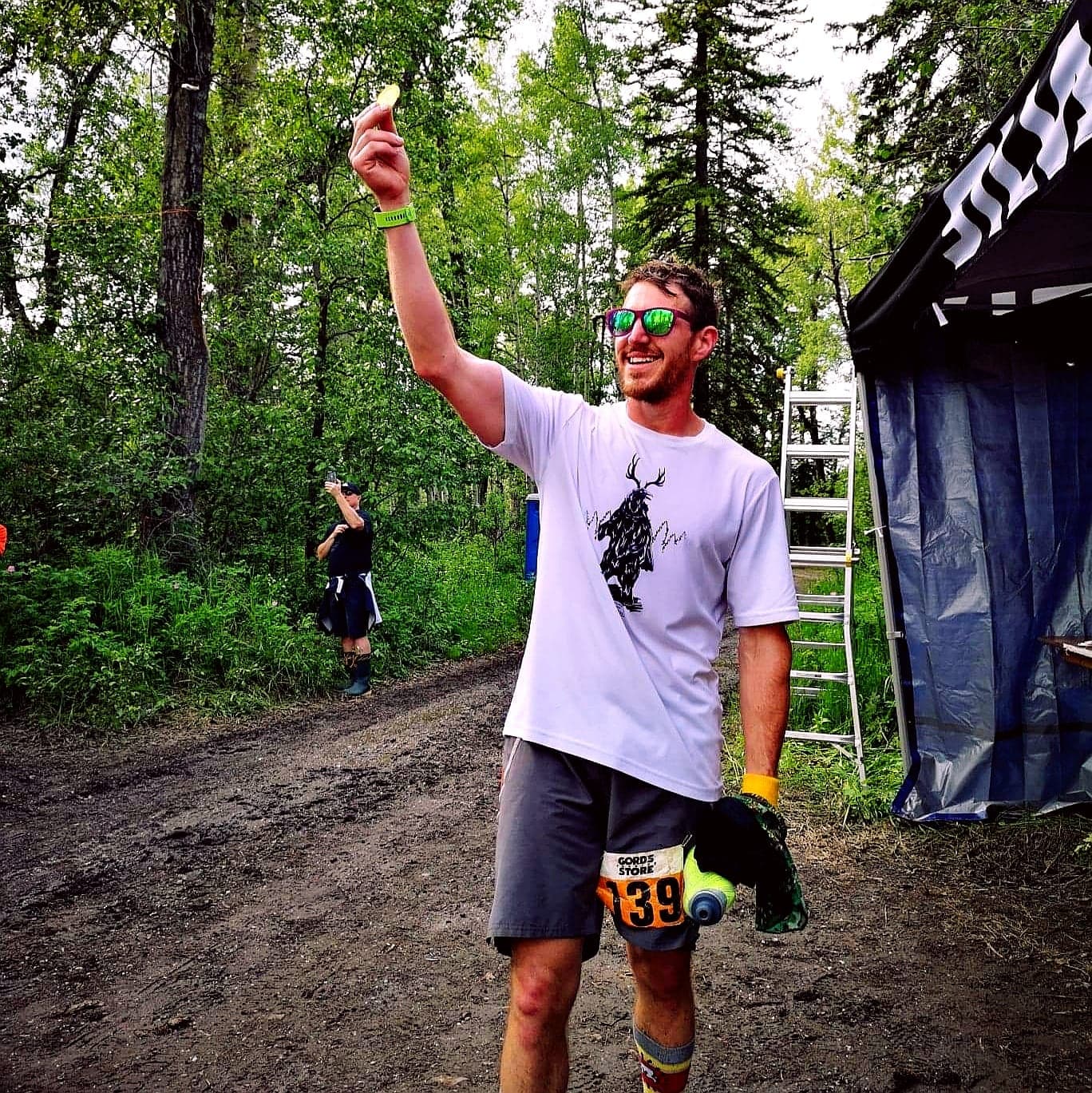
I have represented Team Canada five times at Big Dog’s Backyard Ultra, won the inaugural Outrun Rare, and set a personal best of 53 yards, 355 kilometres, at Keji’s. I built this planner after working through the top performances in the format alongside the 24, 48 and 72 hour protocols, looking for what the strongest runs had in common.
What came out of that is a planner that treats the race as one system rather than a set of separate problems. Fatigue, weather, your planned fade, and your sodium and water intake all move together, and each one is adjusted for the temperature and the time of day you will actually be running in. The result is the whole picture in a single table, hour by hour, that you can print and hand to your crew.
Important note: the adjustments in this planner come from published race data, sports science, and my own racing. They are planning targets, not medical or dietetic advice. Caffeine and sodium tolerance vary a lot between athletes. Test everything in training, and involve a professional for medical conditions, heat illness history, or anything beyond a plan on a page.
Backyard Ultra Race Plan
goshep.run · 24yards planned · steady loops · day 48 min / night 52 min · fade 5%/12yd from yard 24 · 20°C day / 8°C night
Athlete: ____________________ Crew chief: ____________________
Race Planner
Yard-by-yard ops sheet · last one standing
Checks Open-Meteo (national weather-service models) when you press the button.
Race timing
Pace & fade
Compounds, so the give-back grows as hours stack up.
Conditions
Fuel & caffeine
Heat adjusts fluids automatically; sodium follows the fluids at your sweat level. Fuel numbers are planning targets, not medical advice.
Distance
161 km
yard 24 · 100 mi
Finish
08:00
day 2
Day pace
7:09/km
12 min rest
Night pace
7:45/km
8 min rest
Calories
6,150
pack 7,400 (+20%)
Fluids
11.7 L
8.8 g sodium
Caffeine
125-250 mg
nights only
Trough
Y20 · Y21
3-5:00 AM, hardest hours
| Yard | Start | Loop | Rest | Total | Fuel | Cues | Notes |
|---|---|---|---|---|---|---|---|
| 1 | 08:00~12°C | 48m | 12m | 6.7 km | 275 cal · 450 ml · 340 Na | ||
| 2 | 09:00~14°C | 48m | 12m | 13.4 km | 275 cal · 450 ml · 340 Na | ||
| 3 | 10:00~16°C | 48m | 12m | 20.1 km | 275 cal · 470 ml · 350 Na | ||
| 4 | 11:00~17°C | 48m | 12m | 26.8 km | 275 cal · 500 ml · 380 Na | Real food starts now: all-sugar backyards end in nausea | |
| 5 | 12:00~18°C | 48m | 12m | 33.5 km | 275 cal · 530 ml · 400 Na | ||
| 6 | 13:00~19°C | 48m | 12m | 40.2 km | 275 cal · 560 ml · 420 Na | Meal yard: real food, ease the first km after | |
| 7Marathon | 14:00~20°C | 48m | 12m | 46.9 km | 275 cal · 570 ml · 430 Na | ||
| 8 | 15:00~20°C | 48m | 12m | 53.6 km | 275 cal · 580 ml · 430 Na | ||
| 9 | 16:00~20°C | 48m | 12m | 60.4 km | 275 cal · 570 ml · 430 Na | ||
| 10 | 17:00~19°C | 48m | 12m | 67.1 km | 275 cal · 560 ml · 420 Na | ||
| 11 | 18:00~18°C | 48m | 12m | 73.8 km | 275 cal · 530 ml · 400 Na | ||
| 12 | 19:00~17°C | 48m | 12m | 80.5 km | 275 cal · 500 ml · 380 Na | Meal yard: real food, ease the first km after | |
| 13 | 20:00~16°C | 48m | 12m | 87.2 km | 275 cal · 470 ml · 350 Na | ||
| 14☾ | 21:00~14°C | 52m | 8m | 93.9 km | 225 cal · 450 ml · 340 Na | Liquid-lean through the dark: the gut slows when you coolAny rest window over 8 minutes: lie down, eyes closedCaffeine 25-50 mg at the rest window | |
| 15☾100 km | 22:00~12°C | 52m | 8m | 100.6 km | 225 cal · 450 ml · 340 Na | ||
| 16☾ | 23:00~11°C | 52m | 8m | 107.3 km | 225 cal · 450 ml · 340 Na | Caffeine 25-50 mg at the rest window | |
| 17☾ | 00:00+1d~10°C | 52m | 8m | 114.0 km | 225 cal · 450 ml · 340 Na | ||
| 18☾ | 01:00+1d~9°C | 52m | 8m | 120.7 km | 225 cal · 450 ml · 340 Na | Caffeine 25-50 mg at the rest window | |
| 19☾ | 02:00+1d~8°C | 52m | 8m | 127.4 km | 225 cal · 450 ml · 340 Na | ||
| 20☾TROUGH | 03:00+1d~8°C | 52m | 8m | 134.1 km | 225 cal · 450 ml · 340 Na | Caffeine 25-50 mg at the rest window | |
| 21☾TROUGH | 04:00+1d~8°C | 52m | 8m | 140.8 km | 225 cal · 450 ml · 340 Na | ||
| 22☾ | 05:00+1d~9°C | 52m | 8m | 147.5 km | 225 cal · 450 ml · 340 Na | Caffeine 25-50 mg at the rest window | |
| 23 | 06:00+1d~10°C | 48m | 12m | 154.2 km | 275 cal · 450 ml · 340 Na | Daylight: appetite comes back, rebuild with real food | |
| 24100 miles | 07:00+1d~11°C | 48m | 12m | 160.9 km | 275 cal · 450 ml · 340 Na |
| Yard | Start | Loop | Rest | Total | Fuel | Cues | Notes |
|---|---|---|---|---|---|---|---|
| 1 | 08:00 · 12°C | 48m | 12m | 6.7 km | 275 cal · 450 ml · 340 Na | ||
| 2 | 09:00 · 14°C | 48m | 12m | 13.4 km | 275 cal · 450 ml · 340 Na | ||
| 3 | 10:00 · 16°C | 48m | 12m | 20.1 km | 275 cal · 470 ml · 350 Na | ||
| 4 | 11:00 · 17°C | 48m | 12m | 26.8 km | 275 cal · 500 ml · 380 Na | Real food starts now: all-sugar backyards end in nausea | |
| 5 | 12:00 · 18°C | 48m | 12m | 33.5 km | 275 cal · 530 ml · 400 Na | ||
| 6 | 13:00 · 19°C | 48m | 12m | 40.2 km | 275 cal · 560 ml · 420 Na | Meal yard: real food, ease the first km after | |
| 7 · Marathon | 14:00 · 20°C | 48m | 12m | 46.9 km | 275 cal · 570 ml · 430 Na | ||
| 8 | 15:00 · 20°C | 48m | 12m | 53.6 km | 275 cal · 580 ml · 430 Na | ||
| 9 | 16:00 · 20°C | 48m | 12m | 60.4 km | 275 cal · 570 ml · 430 Na | ||
| 10 | 17:00 · 19°C | 48m | 12m | 67.1 km | 275 cal · 560 ml · 420 Na | ||
| 11 | 18:00 · 18°C | 48m | 12m | 73.8 km | 275 cal · 530 ml · 400 Na | ||
| 12 | 19:00 · 17°C | 48m | 12m | 80.5 km | 275 cal · 500 ml · 380 Na | Meal yard: real food, ease the first km after | |
| 13 | 20:00 · 16°C | 48m | 12m | 87.2 km | 275 cal · 470 ml · 350 Na | ||
| 14 ☾ | 21:00 · 14°C | 52m | 8m | 93.9 km | 225 cal · 450 ml · 340 Na | Liquid-lean through the dark: the gut slows when you cool · Any rest window over 8 minutes: lie down, eyes closed · Caffeine 25-50 mg at the rest window | |
| 15 ☾ · 100 km | 22:00 · 12°C | 52m | 8m | 100.6 km | 225 cal · 450 ml · 340 Na | ||
| 16 ☾ | 23:00 · 11°C | 52m | 8m | 107.3 km | 225 cal · 450 ml · 340 Na | Caffeine 25-50 mg at the rest window | |
| 17 ☾ | 00:00 +1d · 10°C | 52m | 8m | 114.0 km | 225 cal · 450 ml · 340 Na | ||
| 18 ☾ | 01:00 +1d · 9°C | 52m | 8m | 120.7 km | 225 cal · 450 ml · 340 Na | Caffeine 25-50 mg at the rest window | |
| 19 ☾ | 02:00 +1d · 8°C | 52m | 8m | 127.4 km | 225 cal · 450 ml · 340 Na | ||
| 20 ☾ · TROUGH | 03:00 +1d · 8°C | 52m | 8m | 134.1 km | 225 cal · 450 ml · 340 Na | Caffeine 25-50 mg at the rest window | |
| 21 ☾ · TROUGH | 04:00 +1d · 8°C | 52m | 8m | 140.8 km | 225 cal · 450 ml · 340 Na | ||
| 22 ☾ | 05:00 +1d · 9°C | 52m | 8m | 147.5 km | 225 cal · 450 ml · 340 Na | Caffeine 25-50 mg at the rest window | |
| 23 | 06:00 +1d · 10°C | 48m | 12m | 154.2 km | 275 cal · 450 ml · 340 Na | Daylight: appetite comes back, rebuild with real food | |
| 24 · 100 miles | 07:00 +1d · 11°C | 48m | 12m | 160.9 km | 275 cal · 450 ml · 340 Na |
Printed from goshep.run · Backyard Ultra Race Planner · A yard is 6.7056 km (4.167 mi), one per hour, last one standing. Fuel numbers are planning targets, not medical advice.
Field Guide
How to think about the backyard
The planner gives you numbers. These are the judgments behind them, learned across five Team Canada campaigns at Big Dog's and a lot of smaller backyards.
Boring wins
The backyard punishes heroics. Surging to bank a long rest feels productive and costs you the race three hours later. The runners who go deep run metronome yards, the same relaxed effort lap after lap, and treat the hour as the only unit that matters. Pace analyses of the deepest fields keep finding the same thing: the winners are the most consistent, not the fastest. Plan a loop time you could hold in your sleep, because eventually you nearly will be.
The rest window is the race
Whatever your loop leaves you, spend it in the same order every time: food first, then fluids, then feet, then kit for the next yard, then sit until the three-minute call. Standing in the corral early is free anxiety; sitting past the call is a DNF. Write your rest drill into the notes column and make your crew enforce it, because by yard 20 you will not be the one making decisions. The choreography you rehearse in yard 2 is the one that saves you in yard 30.
Night yards
Night is where backyards are won and lost. Plan night loops honestly slower, get your light sorted before dusk, not after, and put your caffeine where it works: starting as the light fades, not at 3:00 AM when you are already in the hole. A waist light earns its keep here, throwing shadows that keep the trail readable when a headlamp flattens everything. Dress for the rest window, not the loop; you cool fast when you stop.
Plan the fade
Nobody holds yard-one pace forever, so the planner does not pretend you will. Once the race passes your fade start, every loop target gives back a little more time than the one before it, as a compounding ratio, the way real splits drift. The default is five percent per twelve yards starting at yard 24, which matches how the mid-pack elites at Big’s slowed once they passed two days: near 50-minute loops through lap 50, around 55 after. Watch the flags. SHORT REST means the plan leaves you under five minutes at the table. CUTOFF RISK means the math has you finishing with almost nothing to spare. If those flags show up earlier than you would like, slow the first day down and rebuild the plan.
Heat and cold move the numbers
The planner estimates every yard’s temperature from your day high and night low, coolest around 3:00 AM, warmest mid-afternoon. Above 15 degrees the fluid targets climb and the sodium follows, because sodium here is a concentration of what you drink, set by your sweat level, rather than a flat number. Hot yards also get a minute or two added to the loop target, because nobody runs their cool-morning pace at 30 degrees. Cold works the other way: fluids ease off and the cues tell you to stage layers and shift calories toward solid food, because the appetite for cold liquid dies on a freezing night. One honest note on sodium: studies of ultrarunners have not shown that salt supplements prevent cramps or nausea. Match your losses, test it in training, and treat the number as a starting point.
Caffeine after dark
Caffeine is the strongest tool in the box and the easiest one to waste. The plan holds it until the first dusk yard, then cues a small dose every second night yard, and shuts it off at first light so your body can still recover when the race ends. The doses are 25 to 50 milligrams, or one to two milligrams per kilogram if you enter your weight, which is the range the overnight research supports for repeated small doses. Take it at the rest window so it peaks out on the loop. And if a nap window opens, take the dose first and then close your eyes: caffeine needs about twenty minutes to arrive, and you wake up sharper on the other side of it.
The last two runners
No plan covers the end of a backyard, because by then it is two people and a conversation. You have shared the same 6.7 kilometres for a day or more, friendships form fast out there, and often neither of you wants it to end. The scoring is part of that: only the last runner standing gets a finish, the other one is the assist, and everybody else is a DNF, so once you know you cannot outlast the person beside you there is nothing left on the results page to run for.
It gets settled three ways: an agreement and a handshake, a game of rock paper scissors that sounds ridiculous until you have been awake for forty hours, or a battle where neither gives and the two of you keep answering the bell for most of another day. At Millarville in 2019 it came down to Kevin Barata and me around yard 26. He was finished and he knew it, and I needed 32 yards to earn the gold coin, so he went back out and ran four more hours as a DNF so that I could take the win. Decide in advance how you want to behave out there, because by yard 30 you will not be sharp enough to work it out.
Past the first sunrise
Yard 24 is the famous one: 100 miles in a day, one hour at a time. Past it, the race stops being about fitness. Sleep debt, gut fatigue, and decision quality take over, and every runner handles them differently. This is where a plan built for you specifically, your wake-up quality, your stomach, your crew, beats any template, mine included. The planner gets you to the start of that conversation honestly.
Your crew runs the table
Print this plan and give it to your crew, then let them own it. Their job is simple and enormous: have the right things in your hands at the right minute, and remove every decision they can. If you are building the full crew operation, the Crew Plan Builder is the companion tool, and the Fueling Planner goes deeper on the numbers this table repeats every hour.
Common Questions
Backyard basics
A Summit Session pressure-tests this plan against your actual fitness, your race, and your crew. And if it is the engine that needs building before it can survive 30 yards, The Work Party is where that work gets done.
Coaching
Building toward a backyard?
I have stood in the corral at Big Dog's five times, and I have been one of the last two runners on the course. Tell me what you are chasing and I will help you plan it properly.