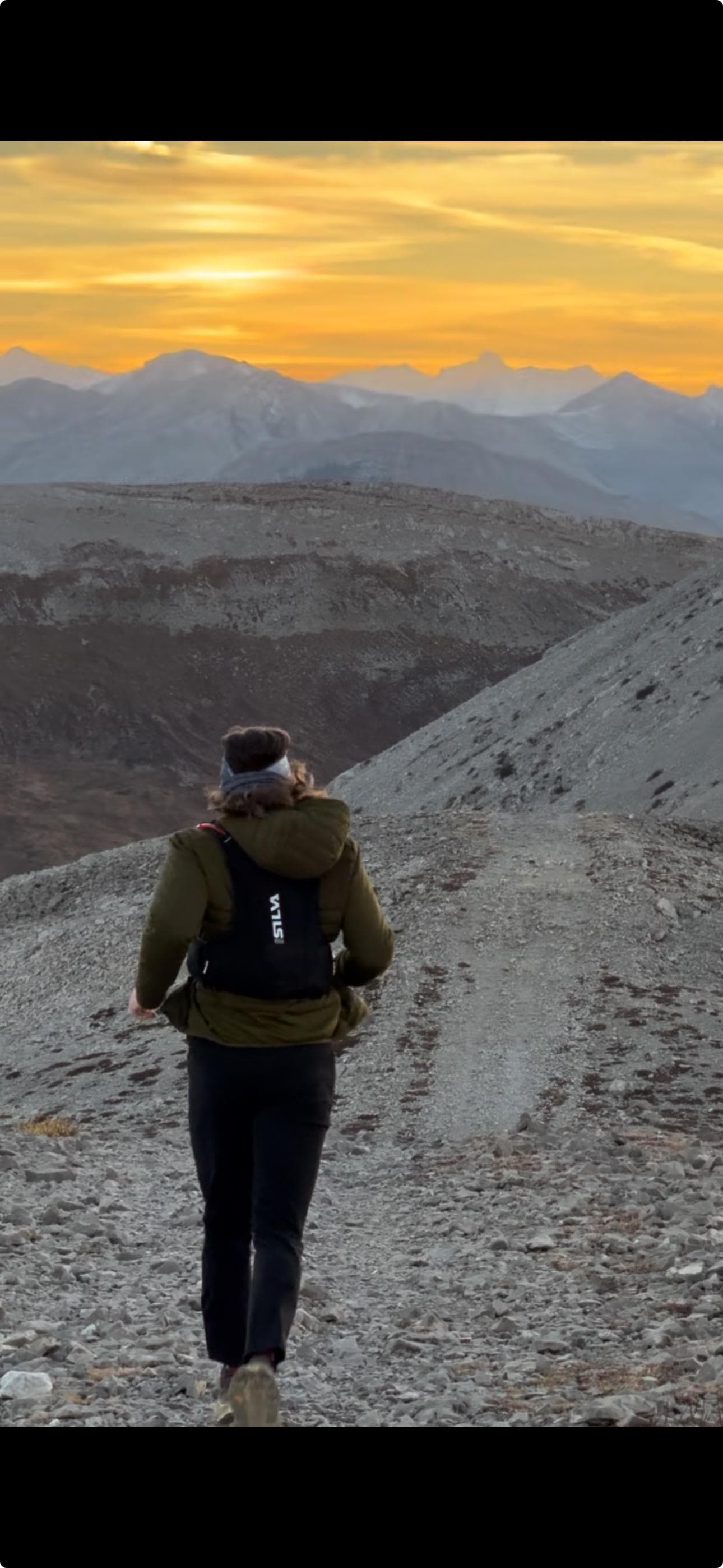
Matt “Shep” Shepard · Alberta, Canada
I took
the long way around.
Ultrarunner, keynote speaker, and community builder in the Canadian Rockies. I learned most of this the hard way, and I would rather pass it on than keep it.
Who Is Shep
I have lived a lot of places.
The mountains have always been home
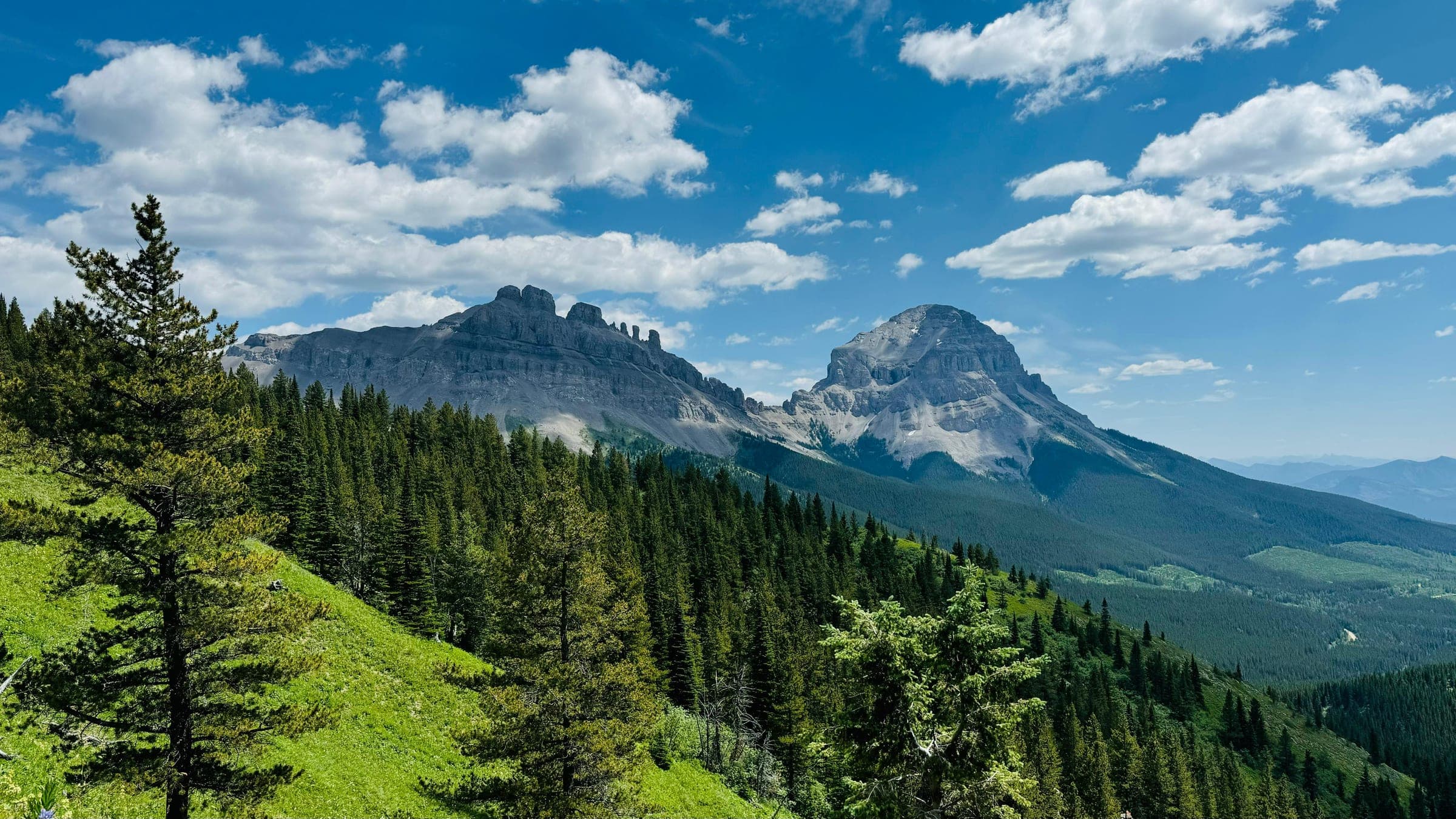
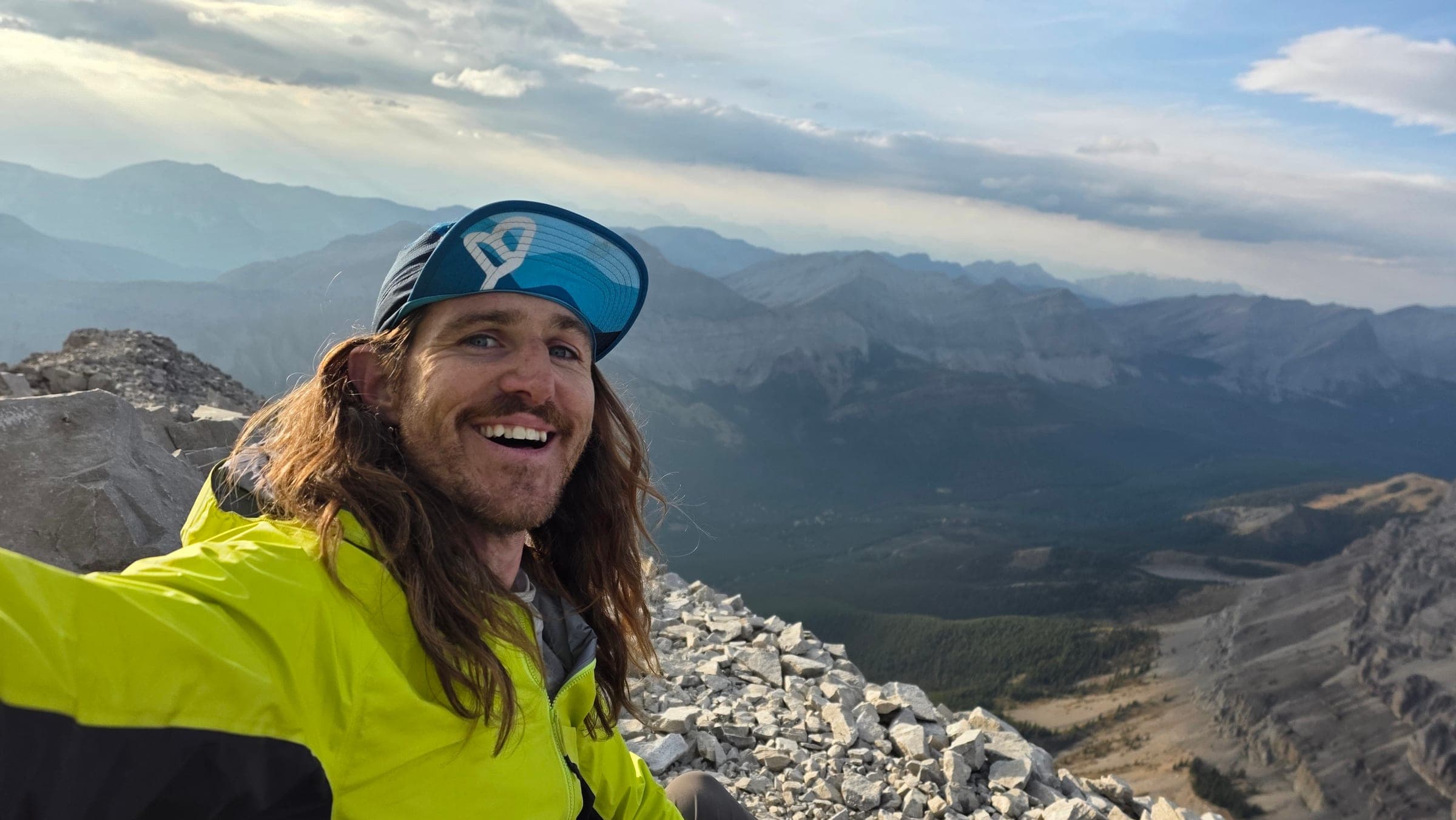
I’m Matt Shepard. Most people call me Shep. I live in the Crowsnest Pass, nestled in the southern Alberta Rockies. Five of my favourite mountains ring this valley: Crowsnest, Tecumseh, Coulthard, Turtle, and Bluff. Turtle is the one that came down on the town of Frank in 1903, the deadliest rockslide in Canadian history. Behind them sit the High Rock Range and the Seven Sisters, and the Livingstone Range runs north from the highway. I have explored non-typical routes and stood in places only a handful of humans have before me, some of them more times than I can count, and every time I venture out, I am still finding lines I have not been on.
My journey started long before I left for basic training as a combat medic in the U.S. Army, but this is where I learned to work collaboratively with my team and the value of proper planning and effective communication. I learned to make hard calls under pressure, and to keep moving when the next call is a long way off. I learned that the people you are with matter more than the gear you have, and that the right training can make a difference when it counts. Following the end of my term of service, I moved back to Sitka, Alaska to study at the University of Alaska Southeast while working structural fire and sharpening my EMT-II skills. From there, northern Alberta called, and I spent years in oilfield health and safety, earning a Certificate in Health and Safety from the University of New Brunswick along the way. As I progressed through my career, I started running my own safety consultancy, which I soon discovered was not my dream role, so I closed it and put the same skills somewhere I wanted to be instead, focusing on my personal ultrarunning and community work. I also spent time as Manager of Field Operations with Sinister Sports.
Every one of those roles put real consequences on the other side of a bad decision, and that background is in everything I do now, on the start line and on the stage.
Now I run two small businesses, MileAds Media Solutions and GGC Property Management, both of which were grown from an opportunity to make a difference in the community. Our property management work is focused on providing safe, clean, and affordable housing for low-income residents, while MileAds provides local businesses with affordable, highway-visible advertising, without the corporate price tag.
Today I run ultramarathons at the elite level on the international stage, from the unforgiving terrain of the Canadian Rockies to the rugged, rocky trails of Wales, and the tropical landscapes of Brazil. I build community in the places I visit and the places I call home. Through The Mountain Method keynote I help leaders and teams expand their range and work out how much more they can handle when they reframe their approach to stress and challenge.
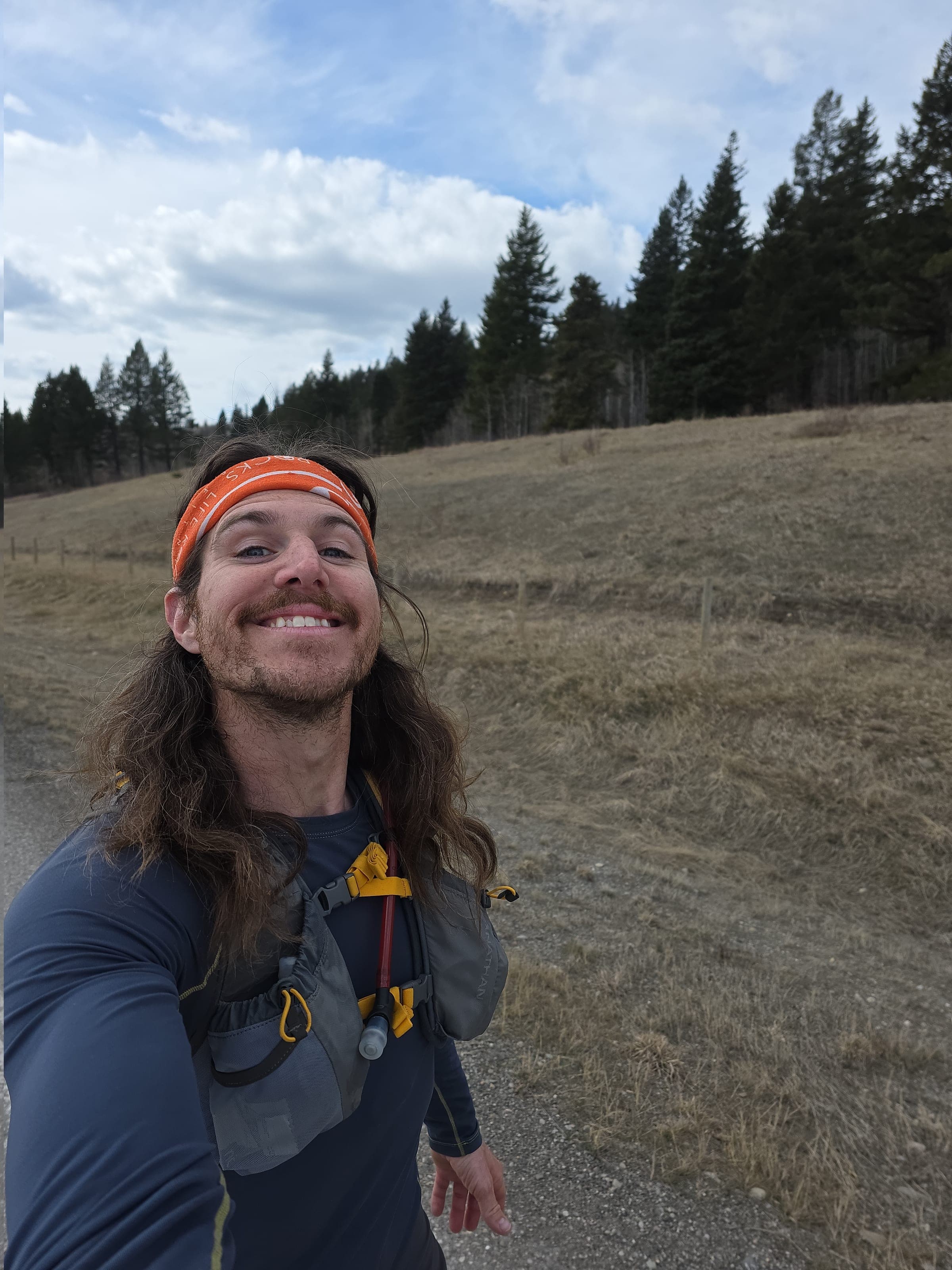
By the numbers
What it all adds up to.
701
Kilometres, Across the Years
Six days on foot in Arizona, second overall, and the around-the-clock course record. Still my longest single effort.
355
km, Keji's Backyard Ultra
Fifty-three yards, second overall out of 113 starters, and my backyard personal best.
9,377
m climbed, Bob Marshall Traverse
The unsupported out and back FKT of the Adirondack High Peaks near Lake Placid, fourteen summits twice over, with Cody Taylor in 2026.
The long game
It took a while to get here.
Every chapter of this is a tool I still carry: the medic training, the years on the fire floor in Alaska, the oilfield winters, the races I finished and the ones I did not. All of this built the person I am today and this is the energy I bring when I step onto a stage or onto a start line.
US Military + Sitka, Alaska
Army Medic, Firefighter & EMT-II
Combat medical training in the US Army, then structural fire and emergency medical work in Sitka while I was at the University of Alaska Southeast. Coastal Alaska is a special kind of place to learn what you are capable of. The calls are real and you work them with whatever you brought, because the next truck is a long way off.
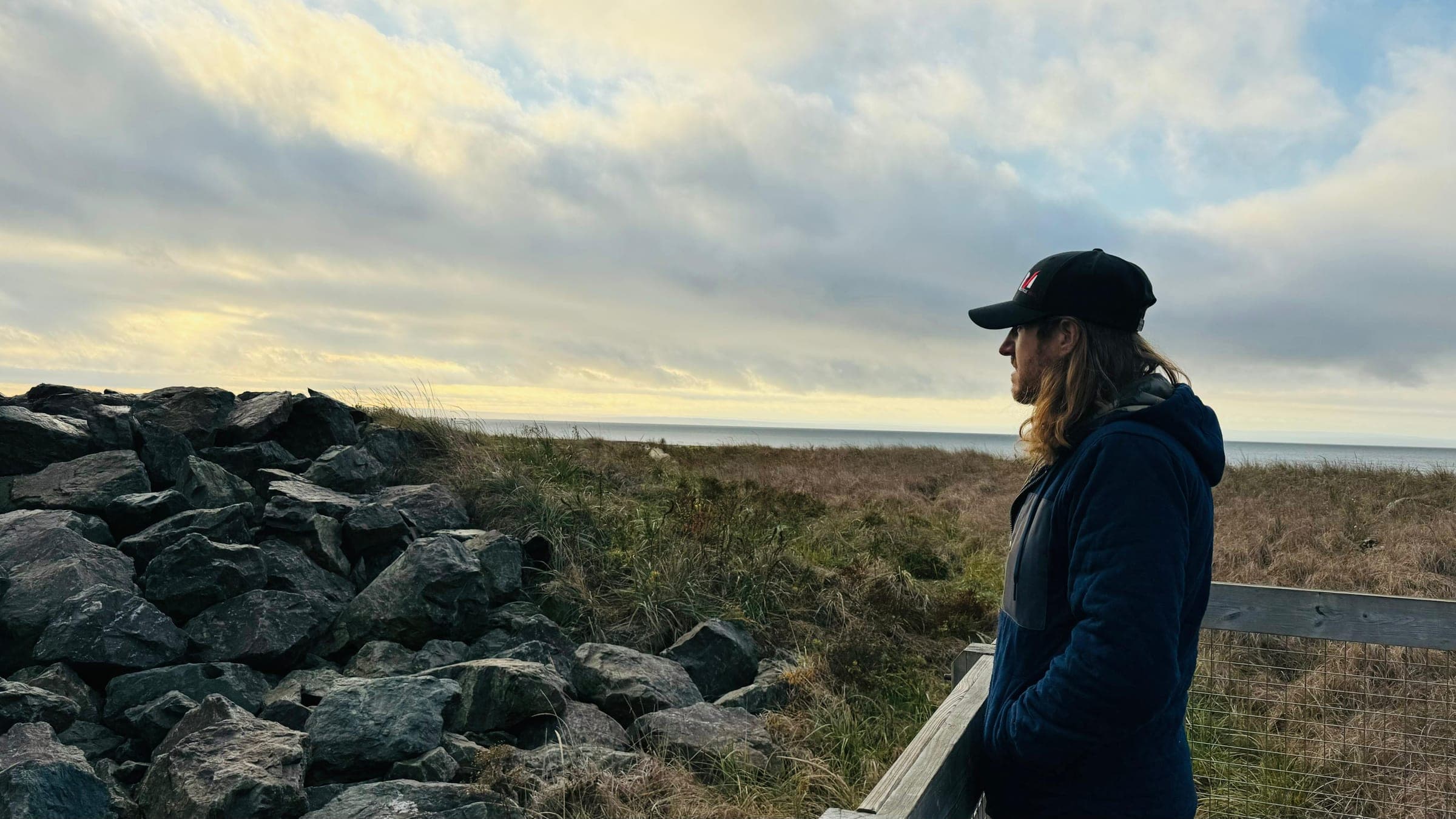
Northern Alberta
Oilfield Health & Safety
Years of health and safety work in Alberta's oil patch: remote sites, high consequence environments, people making hard calls under pressure. A Certificate in Health and Safety from UNB only gets you so far out there. The credibility that actually matters comes from the decisions people watched you make when something went sideways.
Canadian Rockies
Field Operations, Sinister Sports
As Manager of Field Operations with Sinister Sports, I was the person who made sure thousands of athletes had an extraordinary experience across some of the most demanding terrain in Canada. The Death Race in Grande Cache. The Sinister 7 through Crowsnest Pass. The Divide 200 which passes through the Castle and along the eastern slopes of the Flathead range. If something needed to happen on course, I was the one making it happen. Chainsaw in hand when needed, all of my gear on my back, and no cell service most of the time.
Across North America
Elite Ultrarunner
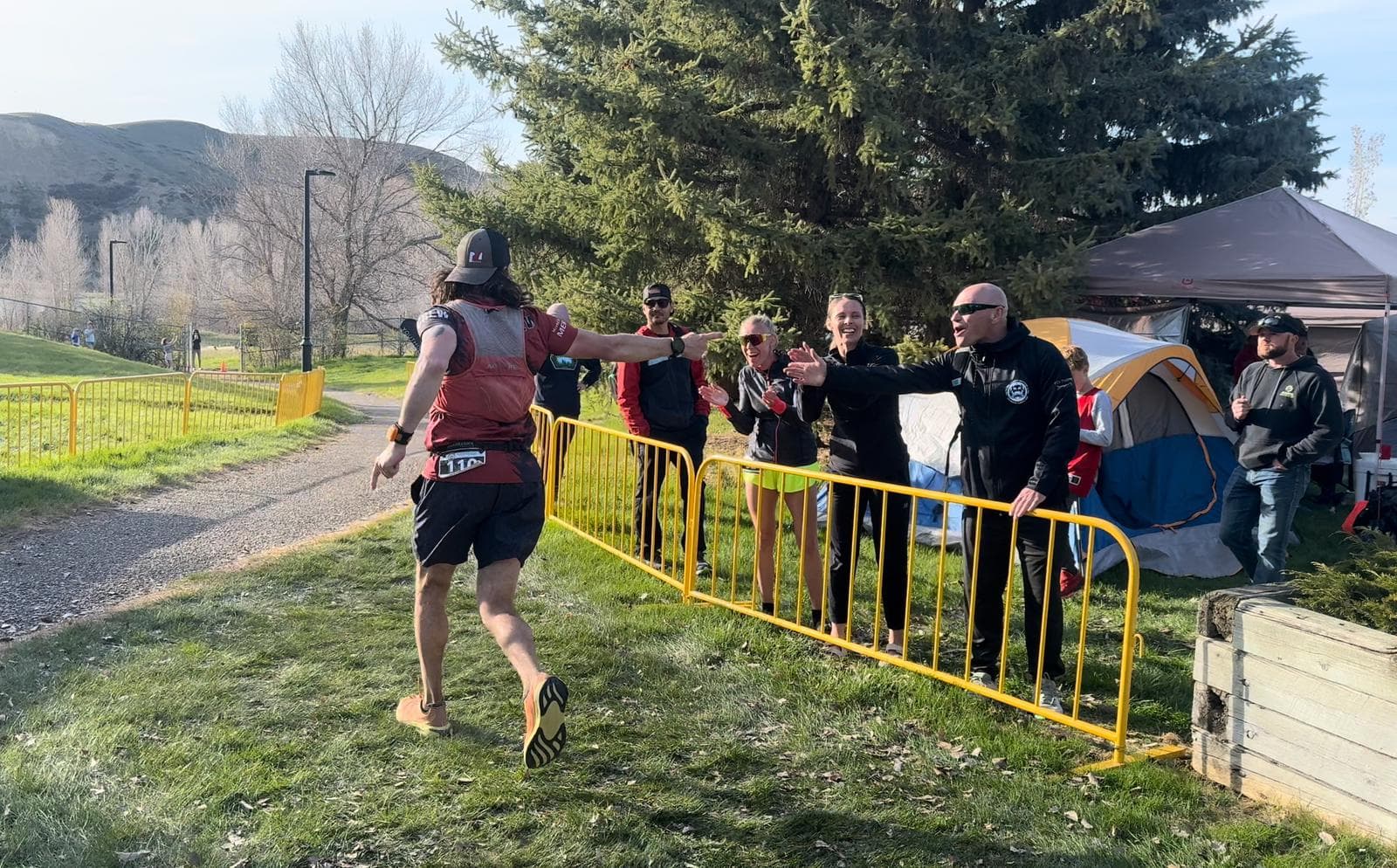
I put in thousands of training miles before I ever toed a start line worth talking about: 100-milers in the Rockies, six-day timed events in Arizona, backyard ultras in Tennessee, each one building on the last. In 2025 that work took me to two 200-mile races on opposite sides of the world, the Wild Horse 200 in South Wales in May and the Mons Ultra Trail in Nova Trento, Brazil in November. Kirsti ran both of them with me and we crossed the line together in Wales, joint 43rd, 83 hours and 51 minutes. The DNFs are in here too.
Treaty 7 Territory
The first runners of this land.
Crowsnest Pass sits on Treaty 7 Territory. The Blackfoot Confederacy, including the Piikani Nation, along with the Ktunaxa and the Tsuu T’ina, have lived with and moved through these mountains and the plains below them for thousands of years. Any story about running here should start with them.
Long before anyone called it ultrarunning, the buffalo runners were doing the hardest endurance work this land has ever seen. They were young men chosen for stamina and nerve, then methodically trained for years to serve their people. These highly revered warriors would infiltrate the massive herds wearing bison calf hides and moving the way a calf moves, drawing the attention of the matriarchal leaders of the herd and encouraging them to follow. Behind them, buffalo runners disguised as wolves would strategically push and guide the stragglers to keep the herd together. Collaboratively, the team of buffalo runners would continue moving those herds, slowly and without spooking them, across kilometres of open prairie into pre-determined drive lanes marked by hundreds of stone cairns. This work could run for days without any opportunity for a break. When they got it right, a nation ate through the winter. If they got it wrong, their people would go hungry.
Head-Smashed-In Buffalo Jump, Estipah-skikikini-kots, sits about eighteen kilometres north and west of Fort Macleod, and it is the site where that knowledge is most evident. This site was in use around 5,800 years ago and stayed in use until roughly 1850. The cliff itself is about ten metres at the drop, and the bone bed beneath it runs about twelve metres deep! That is about 5,500 years of buffalo harvesting to keep a nation alive. It has been a UNESCO World Heritage Site since 1981, and the interpretive centre is there in large part because Joe Crowshoe Senior, Aapohsoy’yiis, a Piikani ceremonial elder, spent years making sure the story would be told and that these spaces could be visited by the public. The site is a testament to the ingenuity, skill, and endurance of the buffalo runners and the people they served.
The story does not end there. Within a single generation the herds were gone, and the nations who had built their whole way of living around them were pushed onto reserves and into poverty and hunger. That grief is still carried, and the people carrying it are my neighbours, friends, and family. Kerry M. Scott’s A Contemporary Winter Count tells that history from the inside, in paintings and words, and the read is worth your time. You will learn that the buffalo runners did not disappear. Their descendants are still here, and they are still running for their people.
In 2024, Elder Morris Little Wolf of the Piikani Nation gifted me a Blackfoot name: Ikkaayayi Sahkómapii, which translates as Swift Runner Boy. I carry that with a great deal of gratitude and care. I am also a supporter of the Buffalo Runners Society.
I run on this land as a guest and I try to act like one. I aim to learn this history because I respect the people who were here long before me, and I want to look after this place the way they looked after it. The legacy is still going. I would like to be a part of the community carrying it forward.
I am not the authority on any of this. For the history above I leaned on Ryan Hall’s book Beneath the Backbone of the World, Kerry M. Scott’s A Contemporary Winter Count (free PDF), and the record kept at Head-Smashed-In Buffalo Jump. Any mistakes here are mine and I am open to learning from them. Please educate me if you spot a mistake here.
Selected results
The race record.
Not every race goes to plan. These are the ones that shaped where I am today: the wins, the records, and the failures that taught me the most.
Keynote Speaker
The Mountain Method.
Your capacity to handle hard things is not fixed. It is trainable, and there is real biology behind that: a principle called hormesis, which describes how the body and nervous system rebuild stronger after the right dose of stress.
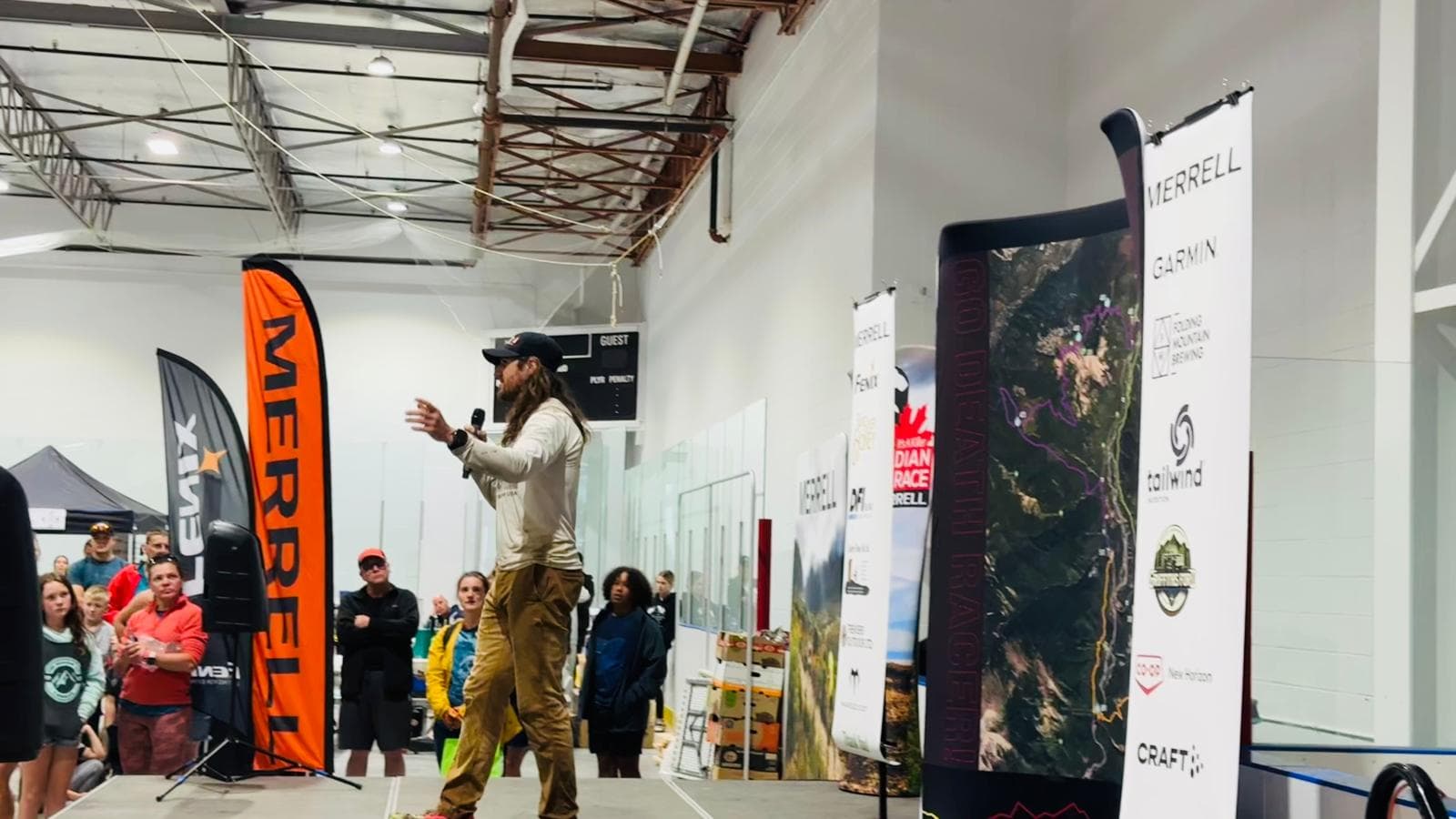
The Mountain Method builds on the concept of hormesis, shaped by the skills I learned across thousands of kilometres of trail and more than twenty years of work in high consequence environments, and distills it into three pillars you and your team can put to use.
Twenty to sixty minutes, story-driven and free of buzzwords, delivered with the same positive, energetic approach I bring to a 4:00 AM start line.
Follow along
Where I post.
Race reports, trail builds, gear in the field, and everything in between, as it happens.
@go_shep
Trail runs, race recaps, backcountry dispatch, and the unglamorous middle miles, from the Canadian Rockies.
Follow on Instagram →
YouTube
@go_shep
Longer-form work from the trail and the stage. Race films, course previews, and the full version of things a caption can only summarize.
Subscribe on YouTube →
Off the trail
Community comes first, and it always has.
The most impactful lesson from our community came from Kevin Barata at the 2019 Outrun Rare Backyard Ultra in Millarville. The loop-based race came down to just the two of us around yard 26 (26 hours of continuous running). He was finished and he knew it, and I still needed to reach 32 yards to earn the gold coin and the spot at Big’s. So, Kevin lined up with me, and he ran for an additional four hours just so that I could win and qualify for the championship race. Now, it is my turn to be that guy for other people in the community. The full story is on the race page.
Founded with Kirsti
Crows Run Club
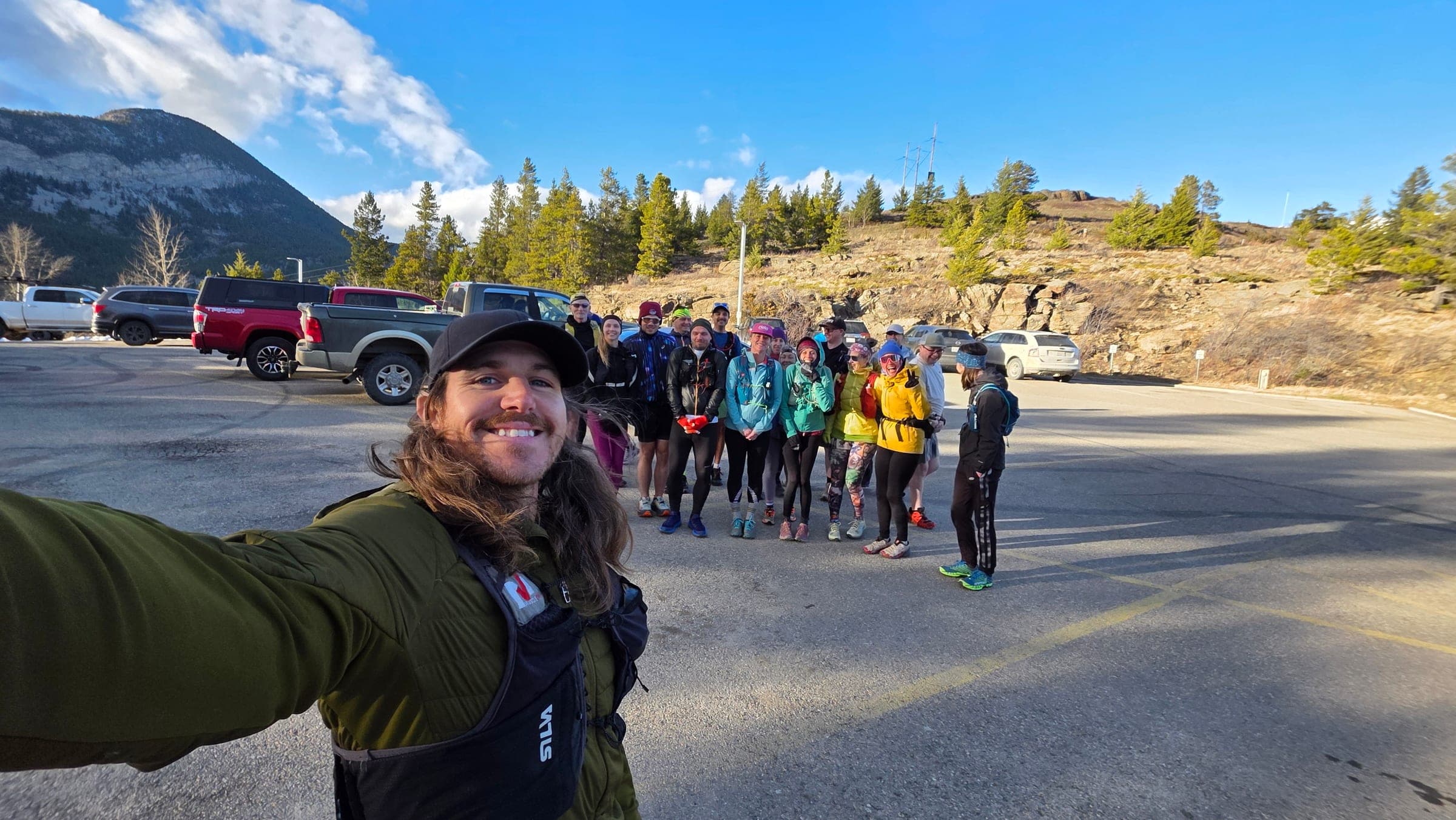
Kirsti and I started the Crows Run Club in 2023 and it has become the best part of my week. Every Tuesday at 7:00 PM we head out for a 60 to 90 minute group trail run at a relaxed, social pace. It is a no-drop club, every level welcome, and no one gets left behind, because everyone starts from somewhere. As far as I am concerned this is the sport at its best.
In the Pass on a Tuesday? Come run with us.
Billboard Advertising
MileAds Media Solutions
I built MileAds because I saw a gap: local businesses in our region had almost no access to affordable, highway-visible advertising. The kind of signage that actually gets seen and draws people off the highway and into the community. MileAds is my company, and I’m proud of what it does for the community. We give local businesses a real presence on the highway, without the corporate price tag.
It grew from the same instinct that led my business partner Adrian and I to buy the Klondike Gateway mobile home community. We saw a place that could be better for the people living there, so we made it better. Safe housing, a clean neighborhood, and now highway-visible advertising for the businesses around it.
Brand collaborations
Work with Shep
Gear testing and long-term feedback, social and video content partnerships, event presence and athlete representation. If you build something for people who go hard in wild places, reach out directly.
I keep these conversations personal. No management layer, no form to fill out.
“I look forward to sharing my notes with the next person
that wants to give the Crowsnest High Five a try.”
Matt “Shep” Shepard · goshep.run